Booking choice: The Langa walking tour, from $29 per person. Check dates Tour details
Langa is Cape Town's oldest township. It was planned under the Natives (Urban Areas) Act of 1923, built in phases and officially opened in 1927, about 11 km south-east of the city centre. Most of the first residents were moved there from Ndabeni, a location near Maitland that the authorities wanted gone.
A hundred years on, Langa is a working neighbourhood of around 52,000 people (2011 census), with an arts centre, a museum in its old pass office and a long list of musicians, cricketers and writers. This guide follows the questions people search most, with sources from South African History Online, the HSRC and local reporting.
The quick answer
Langa opened in 1927 under the 1923 Urban Areas Act, which makes it the oldest township in Cape Town, not in South Africa: New Brighton in Gqeberha dates from 1902. It is named after Langalibalele, a Hlubi chief jailed on Robben Island, and most residents speak isiXhosa. Its big moment was March 1960, when Philip Kgosana led about 30,000 people from Langa into the city against the pass laws.
What is Langa township known for?
Resistance to the pass laws, the 1960 march on Cape Town, music (Brenda Fassie grew up here) and cricket. Visitors know it for Guga S'thebe and the Dompas Museum.
Ask someone from Cape Town and you'll get a few answers at once. Langa is the township where the anti-pass campaign of 1960 brought the city to a halt. It is where Brenda Fassie, the "Madonna of the Townships", was born. It produced Temba Bavuma, who captained South Africa to the World Test Championship in 2025, and the percussion group Amampondo.
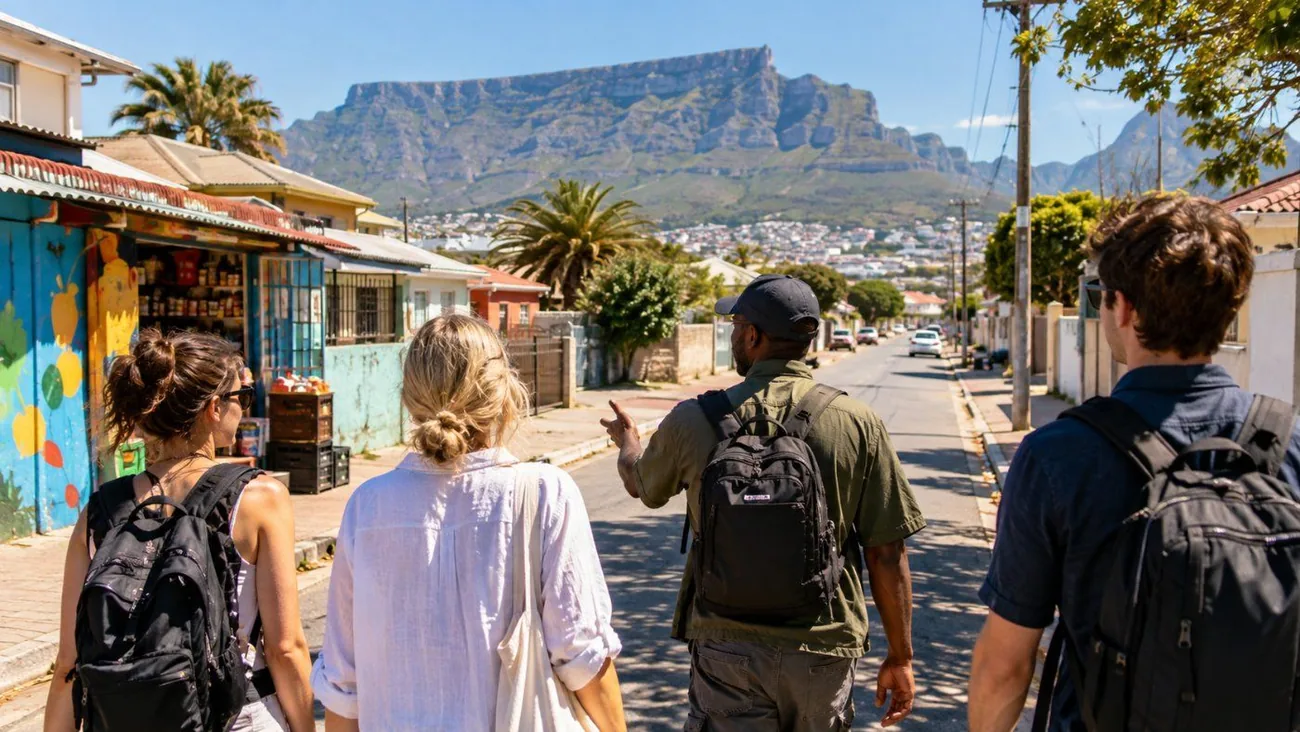
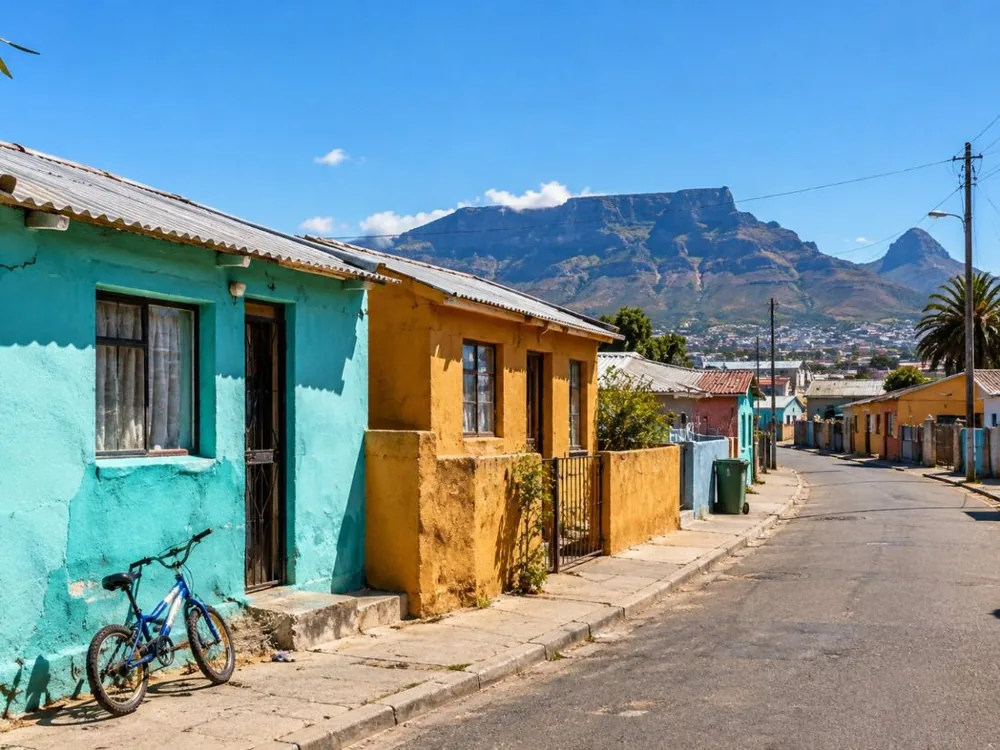
For a visitor, the landmarks sit within a few blocks of each other on King Langalibalele Drive: the mosaic-covered Guga S'thebe arts centre, the old pass office that is now a museum, and streets where flat-roofed hostels stand next to new family housing. That mix of old and new is the point of the Langa walking tour.
How old is Langa, and is it the oldest township in South Africa?
Langa was planned from 1923 and officially opened in 1927, so it turned 100 in 2023. It is the oldest township in Cape Town, not in the country.
This is the mistake you'll see on half the tour listings online. The HSRC and SAHO both call it Cape Town's oldest township. Older segregated locations existed elsewhere. New Brighton in Gqeberha (Port Elizabeth) was laid out in 1902, with its Red Location built in 1902 and 1903.
Cape Town itself had an earlier location too: Ndabeni, set up in 1901. It was closed in the 1920s, and its people moved to Langa. That's why Langa counts as the oldest that still stands in the city.
| Place | City | Founded | Still a township today? |
|---|---|---|---|
| Ndabeni (Uitvlugt) | Cape Town | 1901 | No, closed in 1926 |
| New Brighton and Red Location | Gqeberha | 1902 to 1903 | Yes |
| Langa | Cape Town | Planned 1923, opened 1927 | Yes, Cape Town's oldest |
| Gugulethu | Cape Town | 1958 | Yes |
Where does the name Langa come from?
From Langalibalele, a Hlubi chief and rainmaker who was jailed on Robben Island in the 1870s. Langa also means "sun" in isiXhosa.
Langalibalele led the amaHlubi in Natal. After a clash with the colonial government in 1873 he was tried, banished and held on Robben Island, then confined to a farm called Uitvlugt, where Pinelands stands today. The land near it was known as "Langalibalele's location", and the township took his name. His name is usually translated as "the blazing sun", so the short form Langa doubles as the isiXhosa word for sun.
You'll hear residents call it KwaLanga, "the place of Langa". The main road through the township was renamed King Langalibalele Drive; it used to be Washington Avenue. The Robben Island link is also why the townships and Robben Island day makes a neat pairing on paper, even if it gives Langa only an hour.
See the old pass office, Guga S'thebe and a family home in two hours on foot, with a guide from Langa.
Check dates for the Langa walking tourWhy was Langa built?
To move Black workers out of the city and control where they lived. The 1923 Act made it compulsory for Africans in towns to live in locations like Langa.
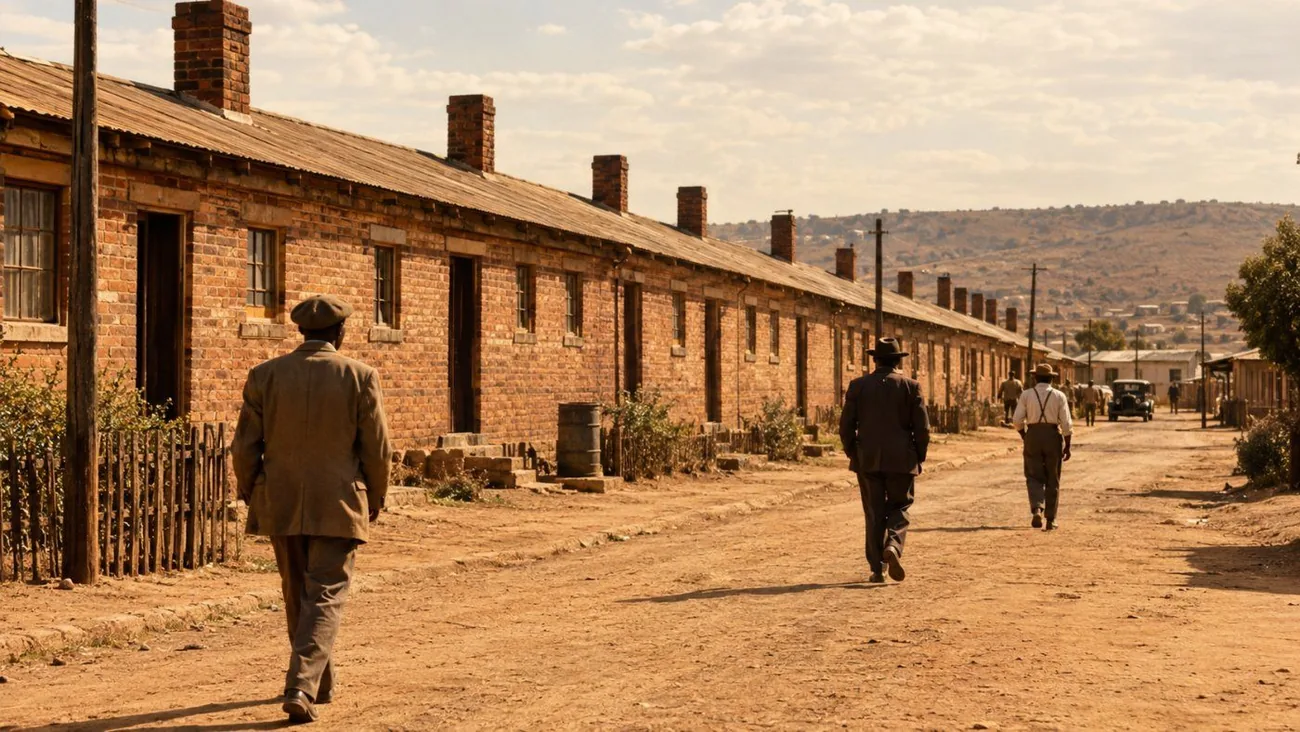
The story starts with a plague. When bubonic plague reached Cape Town in February 1901, the authorities used it to push Black residents out of the city to a camp at Uitvlugt, soon renamed Ndabeni. By 1920 Ndabeni was overcrowded and run down. The Natives (Urban Areas) Act of 1923 gave the city the power to build something larger and tighter, and Langa went up between 1923 and 1927.
The design says a lot. Migrant men lived in barracks and hostels behind a high fence with one way in, and visitors and meetings needed the superintendent's permission. Home brewing was banned until 1930; the municipality then sold its own beer from beer halls built in 1945. Women protested those beer halls in 1954, and residents had marched against the pass laws as early as 1944.
The hostels are still part of the story. Some became family flats; others decayed. In December 2025 the City demolished the derelict Special Quarters block, with plans for new housing once funding is in place.
What were the pass laws, and what happened at the Langa pass office?
Pass laws forced Black South Africans to carry a pass, the dompas, to be in a town. In Langa the old pass office issued them, and a court next door tried people caught without one.
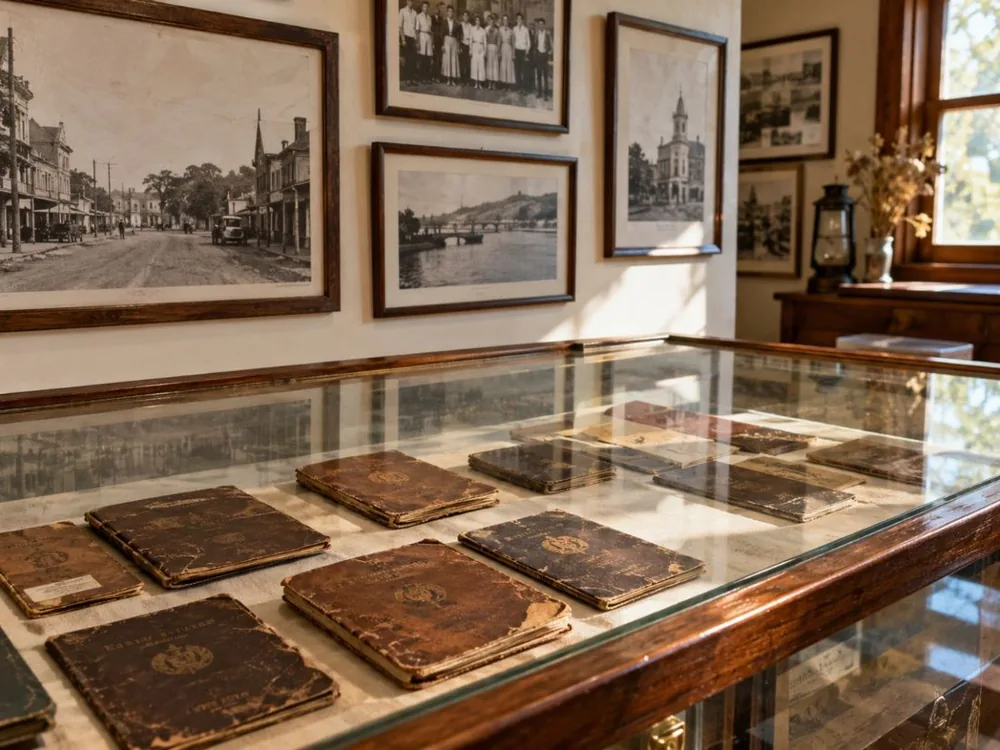
The building was the Bantu Affairs Administration office. Passes were issued there, and the first room you walk into today was a courtroom for pass offences, such as boarding a whites-only bus without a valid dompas. Next to it is a small holding cell where, the curator told GroundUp, up to 200 people were held during hearings.
The pass system was repealed in 1986. In 2014 the building reopened as the Langa Dompas Museum, also called the Langa Heritage Museum, run by volunteer curator Thami Sijila, and in 2021 the Western Cape declared it a provincial heritage site. Original passbooks sit in glass cabinets. More on visiting in our Guga S'thebe and museum guide.
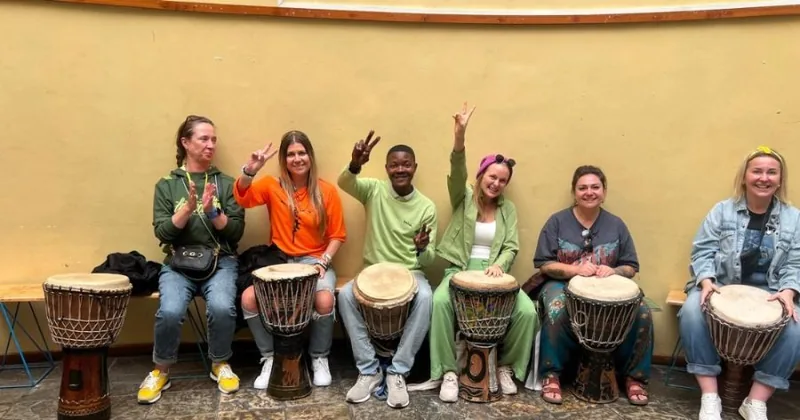
The museum is the first stop on the Langa walk. A guide from Langa takes you through the court and cells, then on to Guga S'thebe.
Explore the Langa walking tour Tour detailsWhat happened in Langa in March 1960?
On 21 March 1960, the day of Sharpeville, police killed protesters in Langa. Nine days later Philip Kgosana, aged 23, led about 30,000 people from Langa into central Cape Town.
The Pan Africanist Congress called on men to leave their passes at home and hand themselves in for arrest. In Langa the police opened fire on 21 March, and several people died. On 30 March a march of about 30,000, some reports say up to 50,000, set off along De Waal Drive towards Caledon Square police station, led by Kgosana, a 23-year-old UCT student.
The police commander, Colonel Terry Terblanche, met him unarmed and promised a meeting with the justice minister if he sent the crowd home. Kgosana did. When he came back for the meeting, he was arrested, and a state of emergency was declared that same day, as Daily Maverick recounts. He later escaped into exile and worked for UNICEF for about two decades. A monument to the 1960 victims was unveiled in Langa on 21 March 2010, and after his death in 2017 part of the march route was renamed Philip Kgosana Drive.
One thing to untangle: the Langa massacre of 21 March 1985 happened in a different Langa, the township outside Uitenhage (now Kariega) in the Eastern Cape, where police shot people on their way to a funeral. Search results often mix the two.
What tribe lives in Langa?
Most residents are isiXhosa-speaking: 92% gave isiXhosa as their first language in the 2011 census. The chief the township is named after was Hlubi, not Xhosa.
South Africans tend to talk about language and home region rather than "tribe". Langa's first residents came largely from the Eastern Cape as migrant workers, and isiXhosa is the language of the street, the church and the shebeen. The 2011 census counted 52,401 people on 3.09 km2, which is dense: about 17,000 people per square kilometre. Locals will tell you the real number today is higher.
Older histories also mention amaMfengu families, who marked a yearly celebration on 14 May. Your guide may explain clan names (iziduko), which matter more in daily life than any "tribe" label, and initiation customs that still shape a young man's life in Langa.
Who are the famous people from Langa?
Brenda Fassie (1964 to 2004) is the best known. Cricketers Temba Bavuma and Thami Tsolekile, playwright Fatima Dike and the percussion group Amampondo also come from Langa.
- Brenda Fassie, born in Langa on 3 November 1964. Time called her the "Madonna of the Townships" in 2001. Hits: "Weekend Special" (1983) and "Vulindlela" (1997). She died on 9 May 2004 and her funeral was held in Langa (SAHO).
- Temba Bavuma, born in 1990, grew up in Langa and played his first cricket there. After South Africa won the World Test Championship at Lord's in 2025, Langa held a homecoming parade for him in July.
- Thami Tsolekile, Test wicketkeeper, and Lungile Tsolekile, who played hockey for South Africa at the 2008 Olympics.
- Fatima Dike, playwright and theatre director, born in 1948.
- Amampondo, the marimba and drum ensemble that started in Langa and toured the world.
Langa also had the first township B&B in South Africa: Ma Neo's opened in 1999.
Walk the streets that raised Brenda Fassie and Temba Bavuma, with a guide who grew up on them.
Check dates for the Langa walking tourFrequently asked questions
Is Langa the oldest township in South Africa?
No. Langa is the oldest township in Cape Town, opened in 1927 under the 1923 Urban Areas Act. New Brighton in Gqeberha was established in 1902, and other locations predate Langa too.
What does Langa mean?
The township is named after Langalibalele, a Hlubi chief jailed on Robben Island in the 1870s. Langa is also the isiXhosa word for sun, and residents often say KwaLanga, "place of Langa".
When did Langa turn 100?
Langa marked its centenary in 2023, counting from the 1923 Act. The township was officially opened in 1927 after being built in phases.
Where can I learn Langa's history on the spot?
At the Langa Dompas Museum in the old pass office, opposite Guga S'thebe. The Langa walking tour starts there with a local guide.
Ready to book
Choose your tour
Free cancellation up to 24 hours before on every option. Prices are from-prices in USD and move with the season.
Langa Township Walking Tour with Local Guides
- Guided walk with a Langa guide, about 2 hours
- Visit to a local home
- Langa art gallery and craft stalls
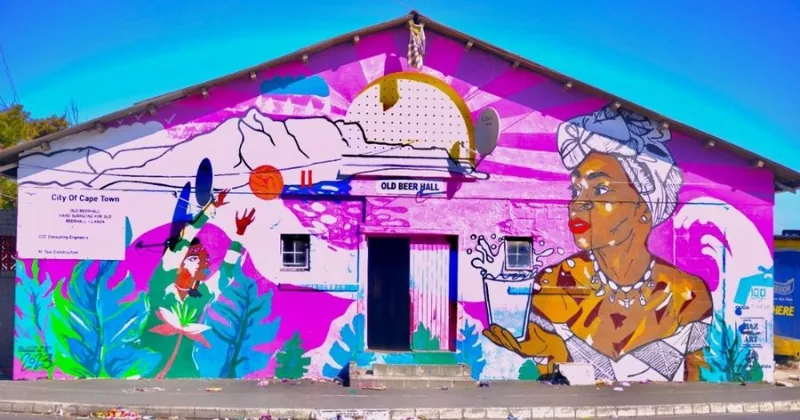
District Six Museum and Langa Half Day
- Entry to the District Six Museum
- Short walk in Langa and a shebeen visit
- Traditional beer tasting, if you want it
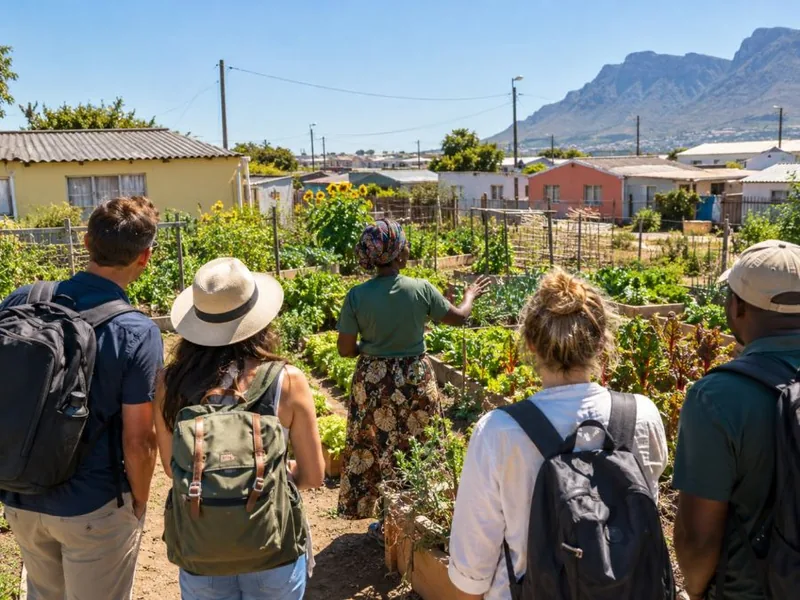
Half Day Through Cape Town's Townships
Tea in a Langa home, then Gugulethu's memorials